






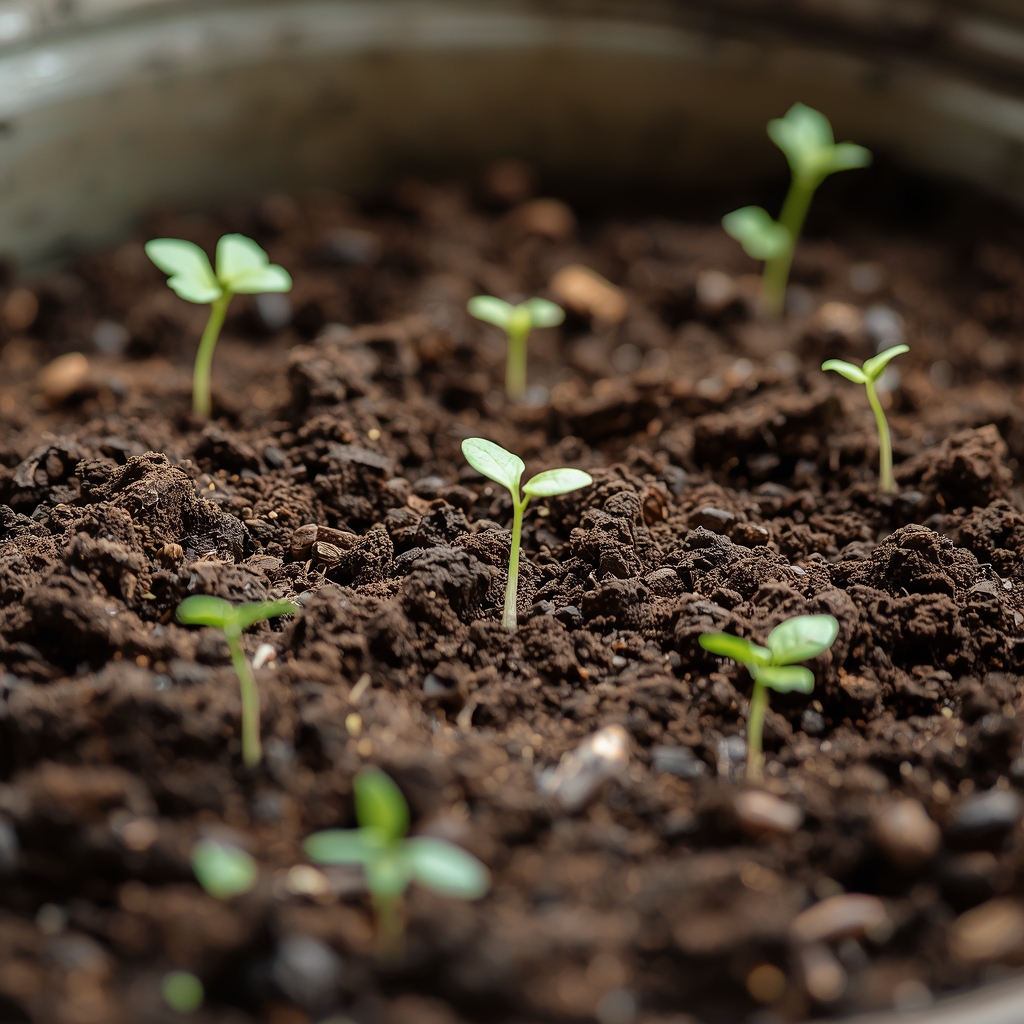
Used coffee grounds improve soil structure and support microbial life over time.
They add small amounts of nutrients, but they are not a quick fertiliser and won’t fix struggling plants overnight.
What used coffee grounds actually do well
- Improve soil structure
They add fine organic matter, which helps soil hold moisture and improves aggregation over time. - Support microbial life
Microbes love them once they start breaking down. This is a long-term soil health benefit, not a plant “boost.” - Add small amounts of nutrients
There is nitrogen, plus trace minerals — but it’s slow-release and mild. Think background nutrition, not fertiliser. - Help compost heat up
Coffee grounds are considered a “green” in compost and can speed up decomposition when balanced properly.
What they do not reliably do
- ❌ They do not acidify soil in any meaningful way once used
- ❌ They do not act as a quick fertiliser
- ❌ They do not fix deficiencies or stressed plants
- ❌ They do not work well when dumped in thick layers